

cec – soil health | carbon sequestration | weed suppression
You’ve heard the story of “Jack and Bean Stalk” right? What if I told you that magic beans are real. There is a bean that can we can plant that helps with climate change and will make our food healthier. Sound too good to be true, please read on.
Clover, vetch, and field peas are examples of leguminous cover crops that help fix nitrogen in the soil, help with soil erosion, lessen the need for herbicides, and aerate the soil. That is one magic bean/legume.
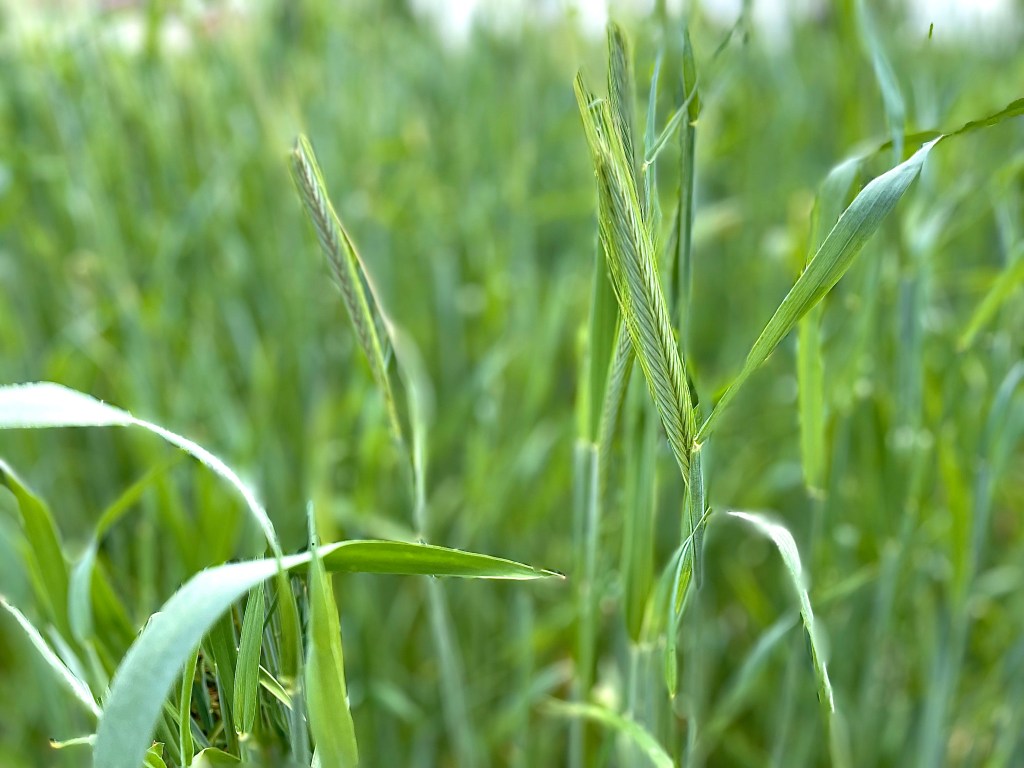
So what is a cover crop anyway? Cover crops are grown specifically to enrich soil health they range from grasses, legumes, crucifers, to flowers. These crops aren’t grown for harvest and consumption. Most cover crops are grown in the shoulder seasons: autumn/winter/early fall and are then terminated in preparation for spring planting.
four apples a day will keep the doctor away
Let’s address how magic beans help with your health first, then we’ll move on to how they help with climate change. Soil health relates directly to human health. Once a seed has been sown/planted the soil is the primary environment from which the nutrient uptake occurs in that plants development.
If you have a child, think of it like this: your child inherits a ton of genetic predispositions from you during development in the womb some good some bad. We have no control over the genetics we pass along to our children. The environment is the space that we have the most control over. If we provide our child with a healthy environment, those genes will be expressed in the best way possible.
Once a seed – which is genetically determined – germinates the plant feeds from the soil for the remainder of its life cycle. The soil is the environment we have control over as growers. We want to strive to create the best growing environment for our seed’s genetics to be expressed. Because the composition of the soil is responsible for the nutrients we consume.
This is where the analogy will have to end, we needn’t rethatch a “Modest Proposal,” but suffice it to say: you are what your food eats.
The sad fact is that the nutrient density in our food is diminishing with each passing year. This is due to our unsustainable soil management practices and the demands for quantity over quality.
David R. Montgomery and Anne Bikle, recently published a book entitled “What your food ate.” In it they sum this loss of nutrient density in our food: “today it is closer to four apples a day will keep the doctor away” (What Your Food Ate, Montgomery and Bikle).
you are what your food eats
Growing cover crops is one method for restoring those nutrients to our food. The roots of these crops push far deeper into the soil profile then vegetable and fruit crops. Sometimes the difference in root depth can be measured in meters.
This is significant because once those crops are terminated they become green manure. Green manure is the green manure that is produced biodegrades into the soil feeding the main growing zone with macro and micro nutrients derived from deep in the soil.
Some covers also produce plant available nitrogen with their roots i.e. clovers, vetch, peas. Nitrogen is the number one nutrient that vegetable plants need for healthy development. Nitrogen makes up approximately 60% of a plants diet. Progressive broad acre farmers are now using clover, vetch, and peas to fix nitrogen in their soil to lessen their reliance on conventional nitrogen fertilizer applications.
In other words out magic beans produce organic fertilizer and decrease our reliance for chemical fertilizer application to our fields.
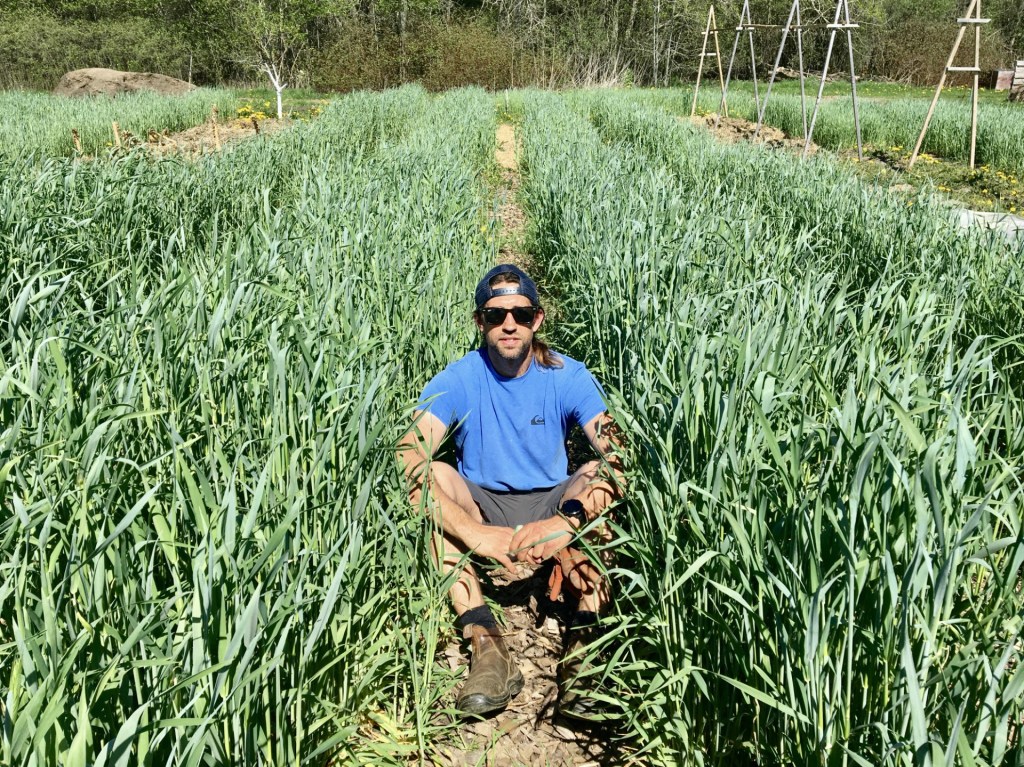
So how about climate change? Well you’ll have to tune into the next post on Why Cover Crops Are Important to You?
 Oak Street Farm
Leave a comment